
Call For Free Evaluation 888 871 9626
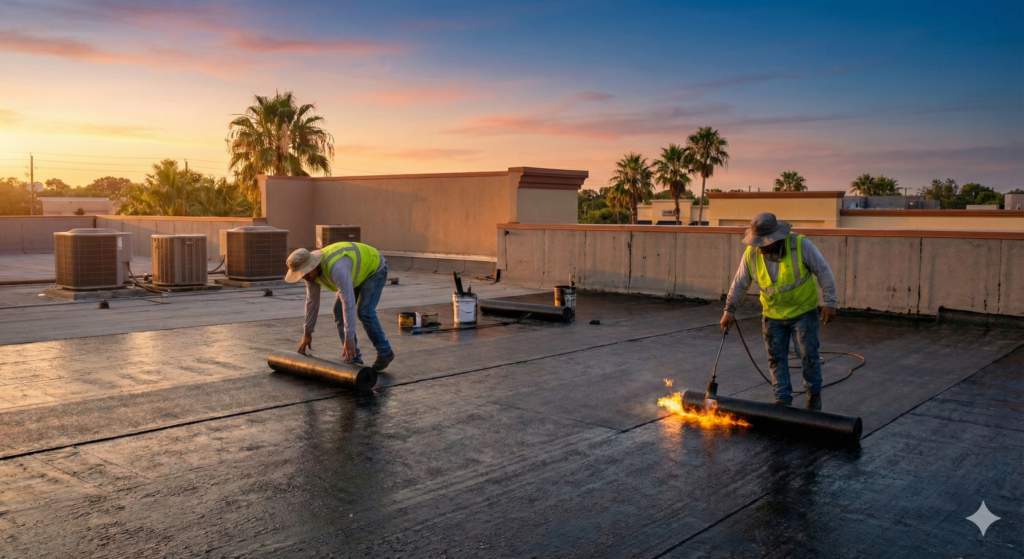
The Ultimate Guide To Commercial Flat Roof Coating Restoration And Protection
Understanding Commercial Flat Roof Coatings
Commercial flat roof coatings are specialized materials applied to the surface of flat roofing systems, primarily designed to offer protection and restoration. These coatings serve multiple purposes, including enhancing the roof’s durability, extending its lifespan, and providing a waterproof barrier against environmental elements. By utilizing these coatings, property owners can mitigate damage from rainfall, UV rays, and temperature fluctuations, which can significantly impact the integrity of flat roofs.
There are several types of materials used in commercial flat roof coatings, each engineered with unique properties to cater to various roofing requirements. These materials can include acrylics, silicones, polyurethanes, and modified bitumens. Acrylic coatings are known for their UV resistance and reflectivity, which can help reduce energy costs by keeping the building cooler. Silicones, on the other hand, offer exceptional water resistance and are particularly effective in managing ponding water. Polyurethane coatings provide durability and flexibility, ideal for areas that experience thermal expansion and contraction. Modified bitumens combine asphalt with additives to enhance performance in a variety of weather conditions, making them a reliable choice for many commercial properties.
The benefits of applying commercial flat roof coatings are significant. One of the primary advantages is the extension of the roof’s lifespan, which can be achieved through preventive maintenance rather than costly replacements. By creating a protective layer over the existing roof, coatings can safeguard against cracking, blistering, and premature aging. Additionally, these coatings improve energy efficiency by reflecting sunlight, thereby lowering cooling costs in warm climates. Furthermore, the application process is typically faster and less disruptive than that of full roof replacement, allowing businesses to minimize downtime while ensuring the longevity of their roofing systems.
The Importance of Commercial Roof Restoration
Commercial roof restoration is an essential process for property owners, particularly those with flat roofs, which are often subject to specific challenges such as water pooling, UV damage, and structural wear. Recognizing the signs that a roof requires restoration is crucial for maintaining the property’s overall integrity. Common indicators include visible leaks, blistering, cracking, and a noticeable reduction in insulation efficiency. These issues not only compromise the roof’s functionality but can also lead to more extensive damage if left unaddressed.
Neglecting the maintenance and restoration of flat roofs can have dire consequences. For instance, minor leaks may evolve into significant water damage, promoting the growth of mold and necessitating costly repairs or even total roof replacement. Furthermore, deteriorating roofs can pose serious safety risks, jeopardizing the welfare of tenants and employees. As a result, property owners may experience increased insurance costs and diminished property value. Regularly monitoring and addressing roof health is not just a matter of aesthetic upkeep; it is an investment in the building’s long-term viability.
Flat roof coatings play a vital role in the restoration process by enhancing the roof’s durability and extending its lifespan. These coatings create a seamless barrier that protects against the elements, reflecting harmful UV rays which can degrade roofing materials over time. By applying a high-quality flat roof coating, property owners can significantly improve water resistance, thereby reducing maintenance costs and prolonging the roof’s effectiveness. Additionally, modern coatings can help improve energy efficiency, resulting in lower utility bills. In summary, prioritizing commercial roof restoration is a proactive approach that safeguards against unforeseen issues and represents a strategic financial decision.
Choosing the Right Flat Roof System for Coating
When selecting an appropriate flat roof system for coating applications, it is essential to consider various factors that will significantly influence performance, durability, and overall cost-effectiveness. The type of roofing material can impact compatibility with different coatings, making it crucial to evaluate standard flat roof systems, such as Thermoplastic Olefin (TPO), Ethylene Propylene Diene Monomer (EPDM), and Polyvinyl Chloride (PVC).
TPO is known for its energy efficiency and ease of installation, making it an attractive option for many commercial properties. Its reflective surface helps to reduce heat absorption, leading to lower cooling costs. However, when considering coating applications, it is vital to ensure that the chosen coating material adheres well to TPO, as not all coatings are compatible with this roofing type.
EPDM, on the other hand, is a synthetic rubber widely recognized for its long-lasting durability and resistance to weathering. This material offers excellent flexibility and can withstand extreme temperatures, making it an ideal candidate for coating. The compatibility of various coating products with EPDM allows for enhanced performance, especially in terms of water resistance and UV protection.
PVC is another popular flat roofing option, characterized by its strength and resistance to chemical exposure. PVC roofs are often installed in environments where industrial applications might be present. The compatibility of PVC with coatings, particularly those that provide additional waterproofing, makes it a worthwhile consideration for many building owners looking to prolong the lifespan of their flat roofs.
In addition to evaluating the types of flat roof systems, factors such as installation processes, upfront costs, and expected lifespan should also be considered when selecting a roofing system for coating. Proper planning and analysis of these elements will help ensure a successful application that meets both performance and budgetary requirements.
The Application Process and Guidelines for Flat Roof Coating
Applying a commercial flat roof coating requires careful planning and execution to ensure its effectiveness and longevity. The process begins with proper surface preparation, which is critical to achieving a successful application. Inspect the roof for any existing damage, such as cracks, blisters, or water pooling. It is essential to repair these issues before coating application to prevent future complications. Cleaning the surface is the next step; thoroughly remove dirt, debris, and any previous coatings using a pressure washer or suitable cleaning agents. Ensure the surface is completely dry before proceeding to the next phase.
The choice of tools is vital for an efficient application. Essential equipment includes rollers, brushes, squeegees, and spray applicators. Select a high-quality flat roof coating product that is compatible with the roofing material. Ensure your coatings are chosen based on industry standards and the specific needs of the roof. Before full application, conduct a test patch to evaluate the coating’s adhesion and overall performance on the roof surface.
When applying the coating, follow the manufacturer’s guidelines regarding thickness and layering. It is generally recommended to apply two coats, allowing sufficient drying time between applications to ensure optimal performance. Utilizing techniques such as back rolling can help achieve an even surface distribution. Awareness of weather conditions is also crucial; avoid applying coatings during extreme temperatures or precipitation, as these can negatively affect adhesion and curing times.
After the coating is applied, ongoing maintenance is essential for ensuring its durability. Conduct regular inspections for signs of wear and tear, such as cracking or peeling. Schedule re-coating or touch-ups every few years, based on the manufacturer’s recommendations and environmental factors. By following these guidelines and best practices, property owners can achieve a successful commercial flat roof coating that yields long-lasting protection and performance.
- 6105 Memorial Hwy Suite E Tampa, FL 33615
- Info@RoofCoolingExperts.com
- 888 871 9626
- 6105 Memorial Hwy Suite E Tampa, FL 33615
- Info@RoofCoolingExperts.com
- 888 871 9626
Copyright © 2025 Roof Cooling Experts